

Spring can be a challenging season for individuals with asthma. Increased pollen levels, shifting weather conditions, and more time spent outdoors can all contribute to airway irritation, making symptoms more difficult to control.
For both children and adults, managing asthma during this time requires a more proactive approach that focuses not only on treatment, but also on prevention, consistency, and the ability to respond quickly to changes in symptoms.
Daily Asthma Management: What Changes in Spring
Managing asthma effectively during this season often comes down to consistency. While treatment plans may already be in place, spring may require closer monitoring and small adjustments to maintain control.
This may include:
- Paying closer attention to symptom patterns
- Avoiding peak pollen exposure when possible
- Maintaining regular use of prescribed medications
In many cases, early intervention plays a key role in preventing symptoms from escalating and helps maintain more stable control throughout the season.
Children and Adults: Key Differences in Asthma Care
Asthma does not present the same way in children and adults, and management strategies often differ.
In children, symptoms may appear as persistent coughing, reduced activity levels, or difficulty sleeping. Because younger patients may not always be able to describe what they’re feeling, changes in behavior can be an important indicator.
Adults, on the other hand, are more likely to notice shortness of breath, chest tightness, or decreased tolerance for physical activity. For both groups, recognizing early signs of worsening symptoms is essential for timely management.
Managing Flare-Ups More Effectively
Even with consistent management, asthma flare-ups can still occur. Having the right tools available and knowing when to use them can make a significant difference in how quickly symptoms are controlled and how severe they become.
When symptoms begin to worsen, it is important to:
- Recognize early signs such as increased coughing, shortness of breath, or chest tightness
- Use quick-relief medications as directed
- Follow the steps outlined in an existing treatment plan
- Seek additional support if symptoms do not improve as expected
During seasonal changes, symptoms can escalate more quickly and may be less predictable. Responding early and consistently can help reduce the intensity of flare-ups and support a smoother recovery.
The Role of Portable Nebulizers
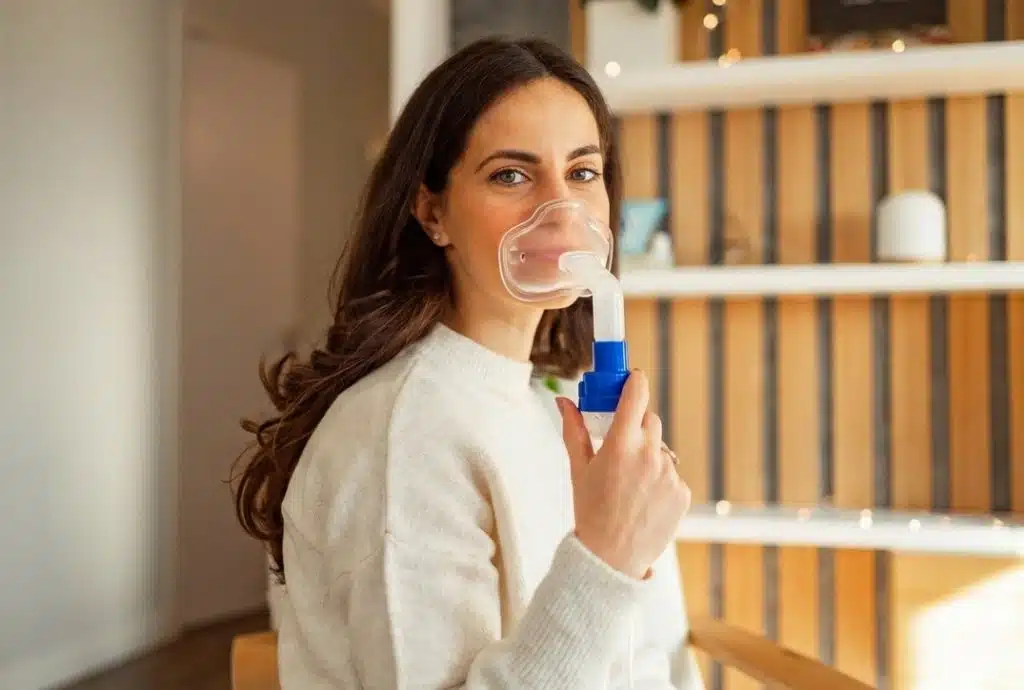
For some patients, especially young children or those experiencing more intense symptoms, nebulizers can provide a more effective way to deliver medication.
Unlike inhalers, which require coordination and technique, nebulizers convert medication into a fine mist that can be inhaled gradually. This can be especially helpful during flare-ups or when symptoms make inhaler use more difficult.
Portable nebulizer options offer added flexibility, allowing treatment to be administered more comfortably and consistently. Patients can rely on Casa Health for access to these devices when appropriate, particularly during travel or when symptoms need to be managed more closely throughout the day.
When Asthma Symptoms Require Medical Attention
While many individuals are able to manage asthma with established treatment plans, certain changes in symptoms may require medical evaluation.
This includes symptoms that become more frequent, more severe, or less responsive to usual medications. Difficulty breathing, disrupted sleep, or limitations in daily activity are also important signals that further evaluation may be needed.
As part of our services, this may involve a general medical consultation to review ongoing symptoms or adjust a treatment plan, or a sick visit for more acute concerns. In both cases, care is delivered directly at home, with access to diagnostic support when needed.
Frequently Asked Questions About Asthma in Spring
Asthma symptoms can vary significantly from person to person, especially during seasonal changes. The following questions address common concerns around managing asthma in spring, helping both children and adults better understand how to prevent flare-ups and respond to symptoms effectively.
- Can seasonal allergies trigger asthma attacks?
Yes, allergies are a common trigger for asthma symptoms. Exposure to pollen can increase airway inflammation, making symptoms more likely or more severe.
- Are nebulizers better than inhalers?
Both are effective when used correctly, but nebulizers may be easier for young children or during more severe symptoms. A clinician can help determine the most appropriate option.
- How can I reduce asthma triggers at home?
Keeping indoor air clean, reducing dust, and limiting exposure to outdoor allergens during high pollen days can help minimize triggers.
- When should I adjust my asthma treatment plan?
Treatment adjustments may be needed when symptoms change, become more frequent, or are not well controlled. Medical guidance can help determine the right approach.
- How do I know if my child’s symptoms are asthma or allergies?
Asthma usually involves breathing symptoms like wheezing or shortness of breath, while allergies are more associated with sneezing, congestion, and itchy eyes. Both can occur together, so proper evaluation is important.
Achieving Long-Term Asthma Control
Managing asthma during spring is not only about responding to symptoms, but also about maintaining long-term control. With the right approach, it is possible to reduce flare-ups, improve daily comfort, and stay more consistent throughout the season.
A combination of proactive management, timely adjustments, and access to the right tools can help both children and adults navigate seasonal changes with greater confidence. Within Casa Health’s care approach, telehealth and concierge services offer a more comprehensive evaluation and tailored treatment plans, supporting consistency and allowing symptoms to be addressed as they evolve.